A Manufacturer’s Guide to Winning the Modern Operator
Executive Summary
The path to purchase for restaurant operators has fundamentally changed. What was once driven primarily by sales calls and trade shows is now heavily influenced by digital interaction. Our latest proprietary research confirms that social media is no longer a peripheral marketing activity but a critical decision-making checkpoint for operators. While 87% of operators find business value in social platforms, a significant disconnect exists: 60% do not follow any manufacturers, yet 51% actively search for them.
This white paper unpacks the results of our comprehensive operator survey, revealing a powerful opportunity for manufacturers.
The data shows that operators are not looking for more brand advertising; they are seeking partners who can provide utility, inspiration, and tools to help them succeed. This report provides an in-depth analysis of how operators use social media, what content they value most, and a clear framework for manufacturers to shift their strategy from broadcasting to enablement. By aligning social media content with the real-world needs of operators, manufacturers can transform these platforms from a marketing cost center into a powerful sales and brand enablement engine, driving menu adoption, trial, and growth.
Introduction: Redefining the Path to Purchase
For years, the foodservice industry has operated on a well-established model of relationships and direct sales. However, a quiet but seismic shift has occurred. The digital age has woven social media into the very fabric of how restaurant operators learn, evaluate, and ultimately choose the products that define their menus. It has evolved from a “nice-to-have” marketing channel into an essential component of the sales funnel.
This transformation presents both a challenge and an immense opportunity for food manufacturers. The challenge lies in recognizing that traditional marketing approaches are failing to connect on these new platforms. The opportunity is for brands that understand this new landscape to step in, fill a critical void, and become indispensable partners to operators. Our recent survey of foodservice operators sought to quantify this shift and provide a clear, data-driven roadmap for success. The findings are unequivocal: operators are actively using social media to make business decisions, and they are looking for manufacturers to provide value in ways that go far beyond product promotion.
This report will guide you through the key insights from our research, offering a strategic framework to help you leverage social media not as an advertising channel, but as a vital tool for sales support, customer enablement, and long-term brand loyalty.
The Problem: A Critical Disconnect Between Operators and Manufacturers
Our research uncovered a startling paradox. While social media is a hub of activity for operators seeking inspiration and solutions, most manufacturers are failing to capture their attention.
The data reveals two core issues:
- Operators Are Looking, But Not Following: A majority of operators (51%) report searching for or engaging with manufacturer content on social media. They are actively seeking product information, application ideas, and support. However, 60% of these same operators do not follow manufacturer accounts. This indicates that while the intent to engage is there, the content they find is not compelling enough to warrant a long-term connection.
- Operators Want Help, Not Hype: The modern operator is under constant pressure, short on time, and starved for resources. Our study shows 47% feel they need to improve their social media presence but struggle to do so. They face significant hurdles, including lack of time or staff (29%) and a need for better content (28%). They are not looking for polished corporate messaging; they are looking for practical help.
This disconnect represents a missed opportunity of significant scale. Manufacturers are investing in social media, but their efforts are misaligned with operator needs. By continuing to “broadcast” brand-centric marketing, they are becoming part of the noise that operators are actively tuning out. The fundamental problem is a failure to transition from being a product supplier to becoming a content partner.
Listen for more insights!
Analysis: Decoding the Operator’s Mindset
To bridge the gap, manufacturers must first understand why and how operators use social media. Our survey provides a clear window into their motivations and content preferences.
Social Media Is Now a Sales Funnel Checkpoint
Operators are integrating social platforms throughout their purchasing journey. They use it to:
 Discover Products: Social media serves as a primary source of new ideas and product awareness.
Find Menu Inspiration: 77% of operators report that social media directly inspires their menu development, from LTOs to core offerings.
Validate Choices: Before committing to a purchase, operators often turn to social channels to see a product in a real-world context, gauge peer feedback, and confirm its viability.
A brand’s absence on these platforms doesn’t just mean missed marketing impressions; it means risking complete invisibility during critical moments of evaluation and consideration.
Relevance and Utility Outweigh Reach
When asked what content they value most, operators were clear and consistent. The content that wins is content that helps them do their job better.
Highly Valued Content:
Recipes, Techniques, and Food Photography: Practical, inspiring ideas they can implement.
New Product Information: Straightforward updates on what’s new and how it can be used.
Short, Visual Content: Easily digestible videos and images that fit into a busy workflow.
Content That Gets Ignored:
Generic industry news and platitudes.
Overly polished corporate brand campaigns.
Content that does not offer immediate, tangible value.
The lesson is simple: relevance beats reach every time. An engaging recipe video shared with a small but targeted operator audience is infinitely more valuable than a generic brand post seen by thousands of uninterested consumers.
Influencers Are Shaping Purchase Decisions
The most trusted voices are those from the kitchen, not the boardroom. Our research shows that nearly half of all operators state that foodservice influencers have a moderate to strong impact on their purchasing decisions. This validates the power of:
Chef-to-Chef Storytelling: Content from credible culinary professionals resonates deeply.
Peer Recommendations: Operators trust other operators.
Authentic, In-the-Kitchen Voices: Real-world applications are more persuasive than polished marketing.
The Solution: A Framework for Manufacturer Success
Based on this data, we have developed a strategic framework to help manufacturers realign their social media efforts and unlock tangible value. The core principle is a shift from “brand broadcasting” to “operator enablement.”
-
Reframe Social Media as a Sales Support Tool
The first step is an internal mindset shift. Social media should not be siloed within marketing; it must be viewed as an integral part of the sales ecosystem.
Objective: Position social media as a growth lever that directly supports sales, culinary, and innovation teams.
Action: Equip your sales team with social content as part of their toolkit. Provide them with talking points that frame your social presence as a value-add for operators: “Here’s how our social channels help you drive traffic and develop new menu items.” This turns social media from abstract “marketing noise” into tangible sales air cover that reinforces messaging between visits.
-
Reorient Content Strategy Around Operator Utility
Your content must be built to serve the operator. Every post should answer the question: “How does this help an operator save time, spark an idea, or solve a problem?”
Objective: Become an indispensable resource for menu innovation and business support.
Action: Prioritize the creation of high-utility content.
-
- Menu Inspiration: Develop a steady stream of recipes, menu applications, and LTO ideas featuring your products.
-
- Plug-and-Play Assets: Create ready-to-use content kits that operators can use on their own social channels, such as high-quality photos, short videos, and promotional templates.
-
- Operator Success Stories: Spotlight how other operators are successfully using your products.
-
Act as a Content Partner, Not Just a Supplier
Recognize that operators are actively seeking help with their own marketing efforts. By filling this gap, you create a powerful dependency and build lasting loyalty.
Objective: Fill the content and resource gap that operators are experiencing.
Action: Develop a program that offers marketing support as a value-add. This could include on-demand webinars about social media best practices for restaurants, downloadable content calendars, or access to a library of professional food photography. By helping them market their business more effectively, you help them sell more of your product.
Conclusion: From Broadcasting to Building Partnerships
The data from our operator survey presents a clear and urgent call to action for food manufacturers. The digital landscape has matured, and operators have integrated social media into their core business practices. They are no longer passive recipients of advertising; they are active seekers of information, inspiration, and partnership.
Brands that continue to focus on self-promotion will become increasingly irrelevant. The manufacturers who win will be those who embrace a new role: that of an enabler. By providing tangible value, practical tools, and authentic inspiration, you can earn the attention and trust of the modern operator.
Social media is not about being louder; it’s about being more helpful. The opportunity is not just to gain followers, but to build a loyal community of partners who see your brand as essential to their success. This is how you transform a marketing channel into a sustainable engine for growth.
About This Study
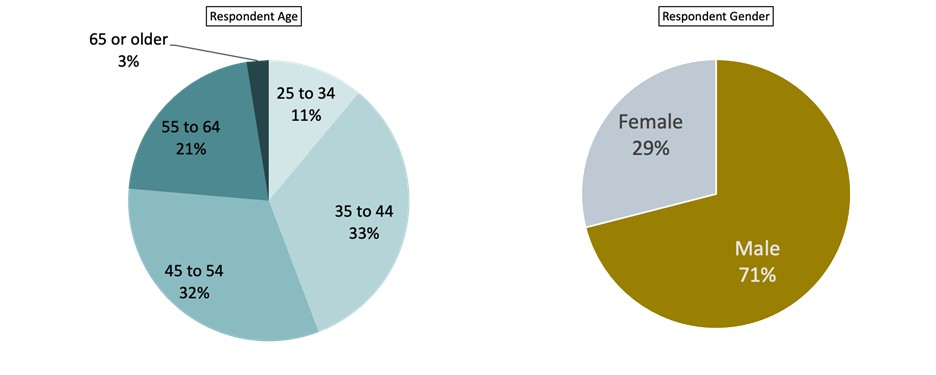
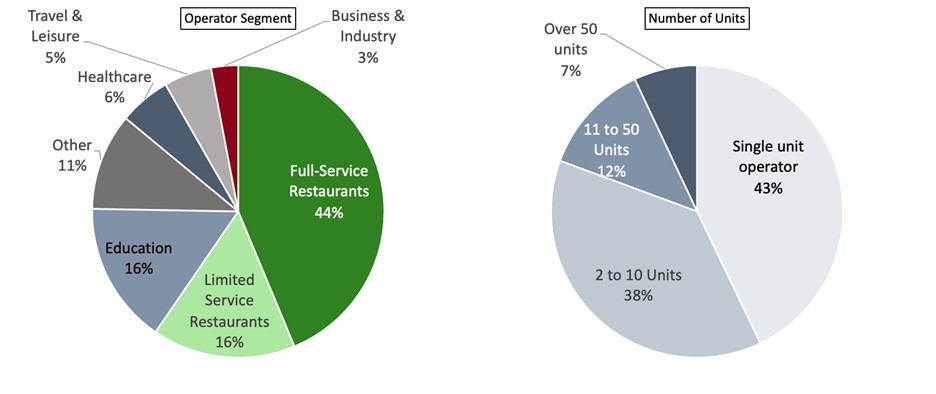
This survey was conducted by Affinity Group sellers across all U.S. regions and operator segments to 689 operators.
About Affinity Group
Affinity Group is a leading authority in the foodservice industry, dedicated to providing data-driven insights and strategic guidance to help manufacturers, distributors, and operators navigate the complexities of the market. With a deep understanding of the entire food ecosystem, we empower our clients to build stronger brands, forge more effective partnerships, and achieve measurable growth. Our expertise lies in translating market research into actionable strategies that drive success